
The Federal Government has renewed its call for South Africa to take urgent action against recurring xenophobic attacks targeting Nigerians and other African nationals, warning that the violence threatens decades of diplomatic and economic ties between Africa’s two largest economies.
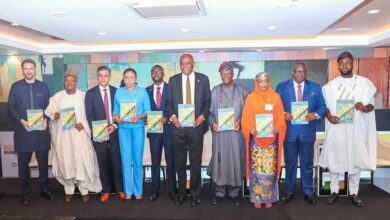
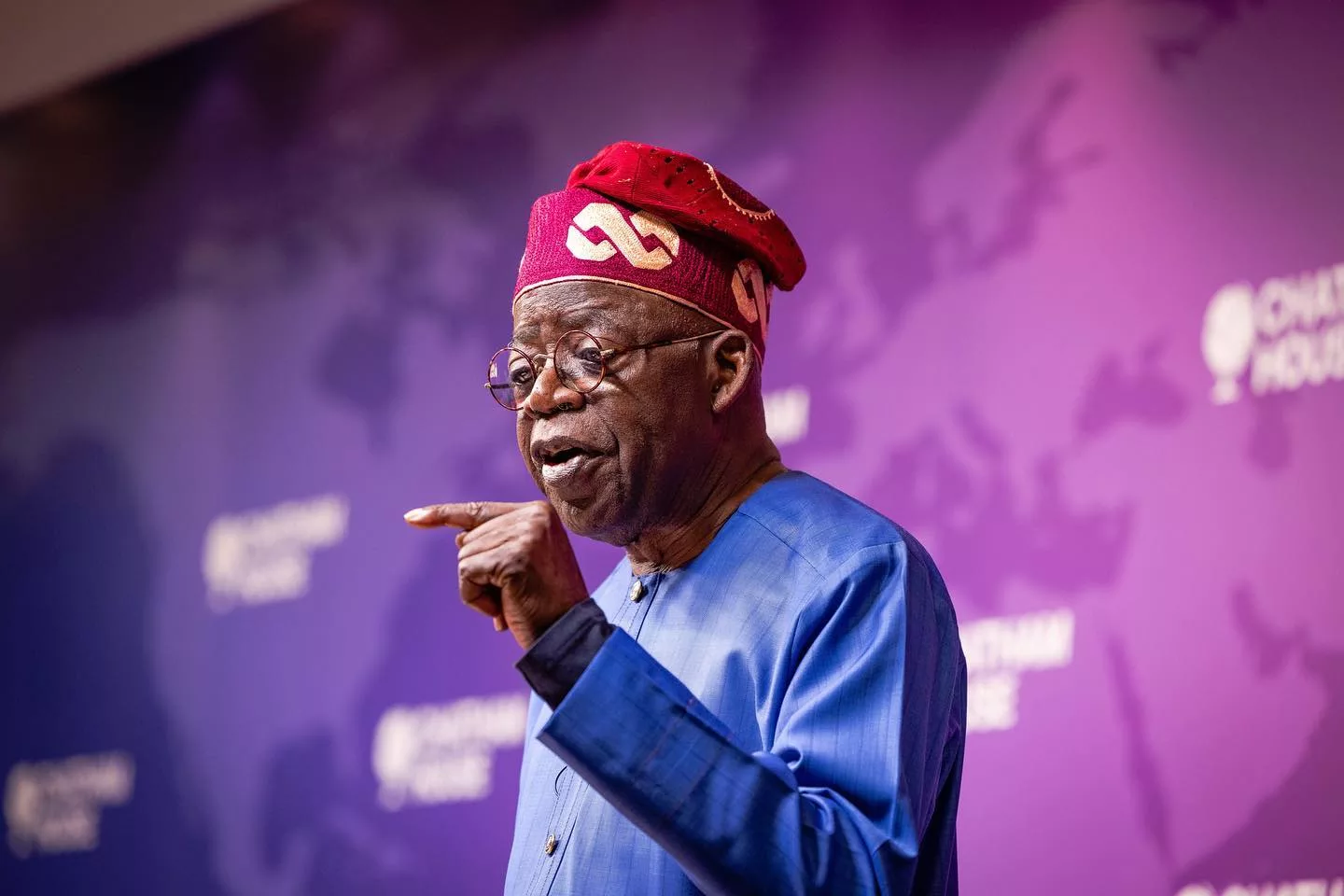
Nigeria’s Minister of State for Foreign Affairs, Ambassador Sola Enikanolaiye, raised the concerns on Monday during a meeting in Abuja with South Africa’s Minister of International Relations and Cooperation, Ronald Lamola, who was in Nigeria as a special envoy of President Cyril Ramaphosa.
Enikanolaiye said the attacks against Nigerians in South Africa have become a disturbing pattern spanning more than three decades.
“We have seen a pattern emerge as early as 1995, 1998, 2006, 2015, 2016, 2019, 2021, 2024 and 2026,” he said.
“From 2022 alone, 98 Nigerians have died in mob actions and hate-related attacks that we have described as Afrophobia because Africans, particularly Nigerians, are the predominant victims.”
The minister said President Bola Tinubu directed the meeting to address the issue frankly and seek practical solutions to protect Nigerians living in South Africa.
While acknowledging South Africa’s concerns about criminal activities involving some migrants, Enikanolaiye stressed that suspected offenders should face prosecution through the legal system rather than mob violence.
“If there are criminals, the solution is not to kill them,” he said. “The Nigerian government will not support drug peddlers, but anyone accused of a crime should be treated in accordance with the law, international human rights standards and the basic principles of humanity.”
“We have records of Nigerians who have legitimate papers to remain in South Africa, yet they have been attacked,” he said.
The minister also expressed concern over incidents where security agencies allegedly failed to intervene during attacks, saying such situations raise questions about state responsibility and the protection of foreign nationals.
According to him, the violence has already forced Nigeria to evacuate about 1,500 citizens from South Africa in recent years.
“The repatriation was not a pleasant experience,” Enikanolaiye said. “I remember receiving the first batch. I shed tears when I saw children, women and elderly people returning home with almost nothing. Some had their properties looted and destroyed.”
He warned that the continued attacks undermine the longstanding relationship between both countries, recalling Nigeria’s support for South Africa’s anti-apartheid struggle and the two nations’ cooperation in advancing continental initiatives such as the African Union and the New Partnership for Africa’s Development.
For months, South Africa has witnessed protests, some of them violent, against African migrants whom demonstrators blame for crime, unemployment and pressure on public services.
South African police have reported at least four deaths linked to recent anti-migrant violence, although some African governments have cited higher casualty figures while repatriating their citizens. More than 160,000 people have reportedly fled the country, including about 1,500 Nigerians.
Responding to Nigeria’s concerns, Lamola said President Ramaphosa remains firmly opposed to xenophobia and all forms of intolerance.
“President Ramaphosa and the government he leads have been outspoken against any intolerance,” Lamola said.