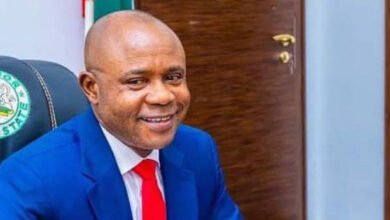


Former presidential candidate Peter Obi has raised concerns over the Federal Government’s latest approval of ₦3.3 trillion to settle power sector debts, questioning the consistency and effectiveness of repeated financial interventions in Nigeria’s electricity industry.
In a statement shared via his X (formerly Twitter) handle, Obi said the new approval announced under President Bola Ahmed Tinubu mirrors previous commitments made in 2024, including a ₦3.3 trillion approval in May and a ₦4 trillion bond in July for similar liabilities.
He questioned whether earlier approvals were implemented or remained “mere announcements without execution,” warning that repeated interventions without visible results risk undermining public confidence.
Obi framed the issue around accountability and transparency, noting that the debts accumulated largely between 2015 and 2025 under successive administrations. He also pointed to outstanding obligations owed by government institutions, including the Presidential Villa, asking why such debts were not settled through prior budgetary allocations.
The former Anambra State governor further queried the structure and composition of the debts, asking how much is attributable to inefficiencies within the power sector and whether operators should bear part of the burden.
“Each time legitimate concerns are raised, what we see appears more like policy pronouncements than measurable progress,” he said, adding that Nigeria risks remaining “trapped in a cycle of debt and darkness” without structural reforms.
The latest approval is part of the government’s ongoing efforts to resolve legacy liabilities in the electricity value chain, which officials say is critical to improving generation and ensuring more reliable power supply.
However, Obi insisted that clarity is needed on the total size of the debt, the beneficiaries of the payments, and the funding source for the new settlement, including whether additional borrowing will be required.
He concluded that resolving Nigeria’s power crisis will require “discipline, accountability, and the right leadership,” rather than repeated financial interventions without clear outcomes.