Opinion
A Familiar Pattern: How the NERC Chairmanship Crisis Reinforces Northern Fears of Yoruba Consolidation

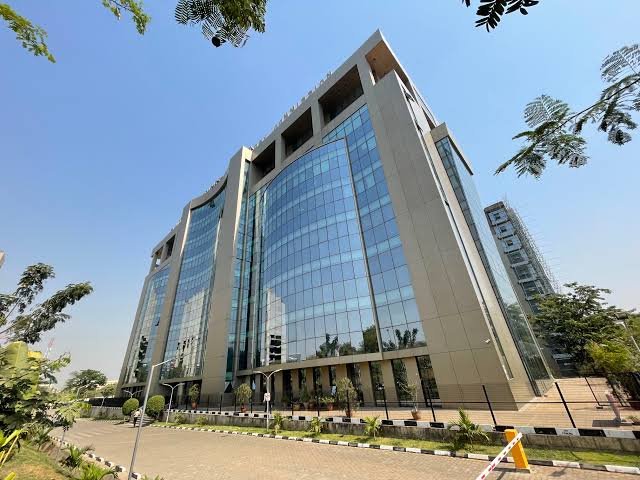
The controversy surrounding the stalled appointment of Engr. Abdullahi Garba Ramat as Chairman of the Nigerian Electricity Regulatory Commission (NERC) has deepened growing resentment in the North, where many now believe the Tinubu administration is deliberately sidelining the region from key national positions. What appeared initially as a token gesture of inclusion has now been exposed as yet another example of a pattern northern stakeholders say has defined this government since its earliest days.
For months, northern leaders, elders, and youth groups have complained that the administration has consistently concentrated strategic, lucrative appointments in the hands of one region, particularly the South West. Even the few individuals selected from the North, many argue, are often not core northerners but appointees chosen in ways that create the illusion of inclusivity while bypassing the Muslim majority base that delivered the largest share of votes for Tinubu in 2023. They point to a clear pattern in which Muslim officials are replaced with Christians, and northerners are replaced with Yoruba candidates, with the removal of Abdullahi Ganduje as APC National Chairman and the recent ministerial reshuffle in the defence sector standing out as recent examples. In both instances, northern Muslims were replaced not by southern appointees but by northern Christians, reinforcing the perception that the administration is deliberately weakening the region’s core political bloc while presenting the appearance of northern representation.
What has further angered many in the region is the growing realization that a number of greedy politicians in Kano, desperate to dominate and silence everyone around them, were also complicit in undermining Ramat’s appointment. Their actions, northerners say, played directly into the hands of Yoruba power brokers around the President, who have never hidden their intention to keep the most influential federal positions within their own circle. This is not new; it is the same pattern seen in the case of Nasir El Rufai, who was nominated for a ministerial position only for powerful Yoruba figures to orchestrate his disqualification at the Senate screening stage. The goal, according to insiders, was simple: nominate El Rufai as a decoy, reject him publicly, and then install a Yoruba minister in the power sector, an outcome that eventually played out exactly as planned.
The example of INEC Chairman Mahmood Yakubu further illustrates this ongoing reshaping of the federal landscape. Although he remains in office, northern stakeholders argue that coordinated pressure campaigns led by the same political bloc were designed to weaken his influence and gradually shift electoral control southward. The emerging belief is that these moves form part of a broader agenda that seeks to reduce northern political leverage while consolidating control of the most sensitive instruments of governance within one ethnic group.
It is against this backdrop that the handling of Engr. Ramat’s appointment has become a major flashpoint. When President Tinubu nominated him to lead NERC, many in the North cautiously welcomed the move as a small step toward fairness. Ramat is young, competent, and untainted by scandal. His nomination was interpreted as a recognition of northern capacity at a time when key sectors were being dominated by Yoruba officials. Yet that hope quickly disappeared. After passing Senate screening with exceptional ease, without petitions, controversies, or certificate issues, his name was suddenly withdrawn. Two commissioner nominees were resubmitted to the Senate, but the chairmanship, the very position intended for Ramat, was conspicuously omitted without explanation.
Information from individuals close to the Villa has only intensified the outrage. According to multiple accounts, powerful figures within the President’s inner circle, largely Yoruba allies, pressured the President to halt Engr Ramat’s appointment in order to reserve the role for one of their own. Villa insiders say the same group has been quietly trying to either bring back Dr Musiliu Olalekan Oseni, whose tenure has already elapsed and who is no longer legally eligible for reappointment, or to secure the confirmation of Dr Fouad Olayinka, which is why he was curiously nominated as a commissioner without any specific portfolio attached. Both men are purely Yoruba. The strategic withdrawal of Ramat’s name, the refusal of the Presidency to offer any explanation, and the unusual quiet surrounding the entire episode have only reinforced the widespread belief that the decision was intentional and part of a larger plan to sideline the North once again.
Across the North, the reaction has been one of anger and deep disappointment. Many now argue that the administration has abandoned any pretense of national balance and is instead pursuing a systematic agenda of ethnic consolidation. Some northern voices have gone further, expressing personal frustration at individuals like Ramat for placing so much trust in the administration in the first place. They believe his faith in the system, and particularly in the goodwill of those around the President, was misplaced from the start, arguing that the pattern of exclusion had been visible long before his nomination.
The sense of betrayal is intensified by the North’s role in Tinubu’s victory. The region set aside its own political interests in 2023 and delivered unprecedented support for a southern candidate in the spirit of fairness and unity. Yet many now feel that this sacrifice has been rewarded with political marginalization and calculated humiliation. From security to finance, to petroleum, to regulatory agencies, and now to NERC, the pattern has become too clear to ignore.
As the controversy continues, northern leaders warn that the implications of this unfolding pattern will be far reaching. They say the political damage being inflicted by these decisions will not be easily repaired, and they believe the region’s patience is nearing its limit. With the Presidency remaining silent and offering no explanation for the stalling of Ramat’s confirmation, many in the North are already reassessing their political alignments. The outcome of this single appointment, they insist, may determine more than just the leadership of NERC; it may shape the future of trust and cooperation between the North and the present administration.
Dr Musa Ibrahim Dan Katsina is independent Northern Commentator, former Special Adviser on Media Strategy, and Member of the Northern Elders Forum