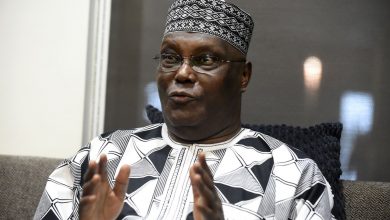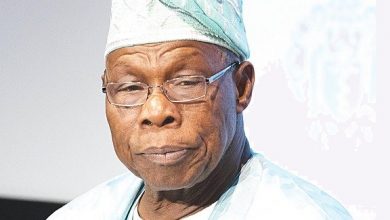

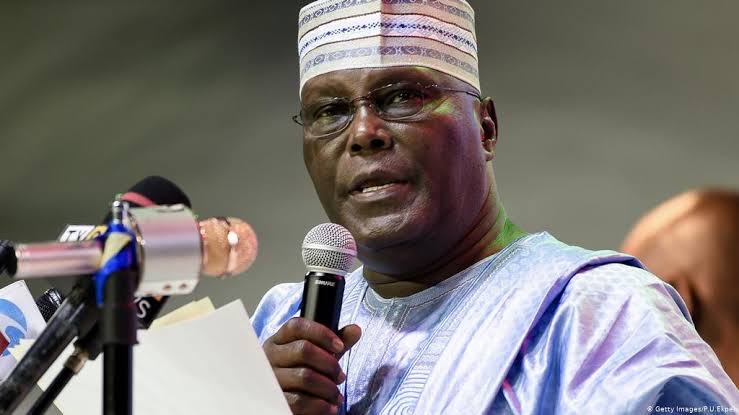
Former Vice President and presidential candidate of the African Democratic Congress (ADC), Atiku Abubakar, has defended his opposition to former President Olusegun Obasanjo’s controversial third-term agenda, saying he chose Nigeria’s democracy and constitutional order over personal loyalty after Obasanjo criticised him in a recent interview.
In a statement issued on Saturday by his Senior Special Assistant on Public Communication, Phrank Shaibu, Atiku said he received the former president’s remarks with “sadness rather than anger,” insisting he remained proud of opposing what he described as attempts to undermine the Constitution.
“I am proud that I stood against the third-term agenda. I am proud that I stood by the Constitution of the Federal Republic of Nigeria,” he said, adding that if Obasanjo’s resentment stemmed from his refusal to support an unconstitutional extension of tenure, he regarded it as “a badge of honour.”
According to Atiku, the battle against the third-term agenda was not about personal rivalry but about safeguarding Nigeria’s constitutional democracy, stressing that “the Nigerian people won that battle” and that democracy ultimately prevailed.
Atiku also cited recent remarks by World Trade Organization (WTO) Director-General, Dr. Ngozi Okonjo-Iweala, who, according to him, described the economic management team under the Obasanjo administration as “the best Nigeria has ever had.” He said the comments affirmed his contribution to what he described as one of Nigeria’s strongest periods of economic management.
The former Vice President also revisited his relationship with Obasanjo, saying he supported the former military ruler during his imprisonment, assisted him after his release and helped mobilise the political alliances that led to his election as president in 1999. While insisting he had no regrets over those actions, Atiku said gratitude should never be replaced with attempts to rewrite history.
He also expressed disappointment that, at a time when Nigeria was grappling with economic hardship, insecurity and unemployment, national attention was being diverted to old political disagreements instead of solutions to pressing challenges.
“The 2027 election should be about rebuilding Nigeria, restoring security, reviving the economy and giving hope to the next generation—not reopening old political wounds,” he said.
Atiku said he had refrained from responding to previous criticisms out of respect for the office Obasanjo once occupied and the relationship they once shared, but stressed that his restraint should not be mistaken for weakness.
“Chief Obasanjo is entitled to his opinions. He is entitled to his personal grievances. What he is not entitled to are his own facts,” he said.
He said his attention remained focused on national renewal ahead of the 2027 general election, maintaining that history—not personal grievances—would ultimately judge his actions.