
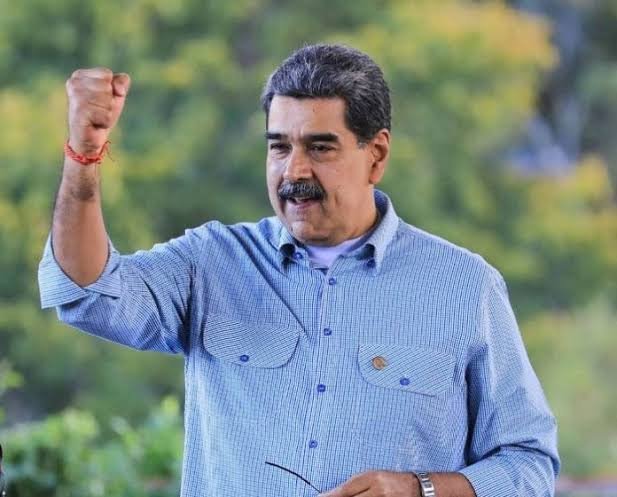
Nicolás Maduro’s ascent to power is a textbook example of political succession built on loyalty rather than personal charisma or electoral dominance. His journey—from a bus driver in Caracas to Venezuela’s presidency—was shaped less by ideology than by proximity to power, unwavering allegiance to Hugo Chávez, and his ability to consolidate authority amid national turmoil.
Maduro’s political identity was forged far from elite institutions. Without a university pedigree, he emerged from the working class as a bus driver for the Caracas Metro and later as a trade union organiser. This background helped frame him as a “man of the people,” a narrative that would later be absorbed into the broader populist appeal of Chavismo. His early activism placed him in leftist political circles at a moment when Hugo Chávez was emerging as a disruptive force in Venezuelan politics.
That relationship proved decisive. In the 1990s, when Chávez was imprisoned following a failed coup attempt, Maduro—alongside his future wife, Cilia Flores—became an active campaigner for his release. After Chávez won the presidency in 1998, Maduro’s loyalty was steadily rewarded. He rose through the political ranks, serving as President of the National Assembly, then as Foreign Minister for seven years, where he became the international face of the Bolivarian Revolution. By 2012, Chávez appointed him Vice President, effectively positioning him within touching distance of the presidency.
The defining moment came in December 2012. Gravely ill with cancer, Chávez addressed the nation and publicly named Maduro as his chosen successor, urging his supporters to vote for him should elections be required. That endorsement transferred Chávez’s formidable political base to Maduro overnight. When Chávez died in March 2013, Maduro assumed office as interim president and contested a special election the following month. He won narrowly—by roughly 1.5 percent—against opposition candidate Henrique Capriles. Though the result was fiercely contested and marred by allegations of fraud, state institutions confirmed the outcome, and Maduro was sworn in.
Once in office, Maduro moved quickly to entrench his authority. He governed increasingly by decree, sidelining the opposition-controlled National Assembly through emergency powers and judicial backing. He secured the loyalty of the military by placing senior officers in charge of strategic sectors such as oil, food distribution, and infrastructure. Over time, key institutions—including the Supreme Court and the Electoral Council—were used to neutralise political opponents, disqualify rival candidates, and legitimise a series of deeply disputed elections in 2018 and 2024. In the process, Maduro evolved from Chávez’s anointed heir into an authoritarian ruler in his own right.
As of January 3, 2026, that long arc appears to have reached a dramatic turning point. Reports indicate that Maduro was recently captured by U.S. forces following a military operation in Caracas, an event that may mark the definitive end of the 13-year presidency that began with a fragile mandate in 2013. Whether his capture closes the chapter on Chavismo or merely opens a new phase in Venezuela’s political crisis remains to be seen.