
The Executive Vice Chairman and Chief Executive Officer of the National Agency for Science and Engineering Infrastructure (NASENI), Mr. Khalil Suleiman Halilu, has said the effective implementation of the local content policy is key to accelerating Nigeria’s industrial growth, technology transfer, enterprise development, job creation and national competitiveness.
Halilu stated this at the opening ceremony of a two-day capacity development training on Local Content Measurement Matrix and Policy Implementation, organised by the Technical Services Department of the Agency for staff across the NASENI system. The training is being held at the Agency’s headquarters from July 27 to 28, 2026.
The training is being facilitated by the Nigerian Content Development and Monitoring Board (NCDMB), in collaboration with Capacity for Africa Limited, with participants attending both physically and virtually.
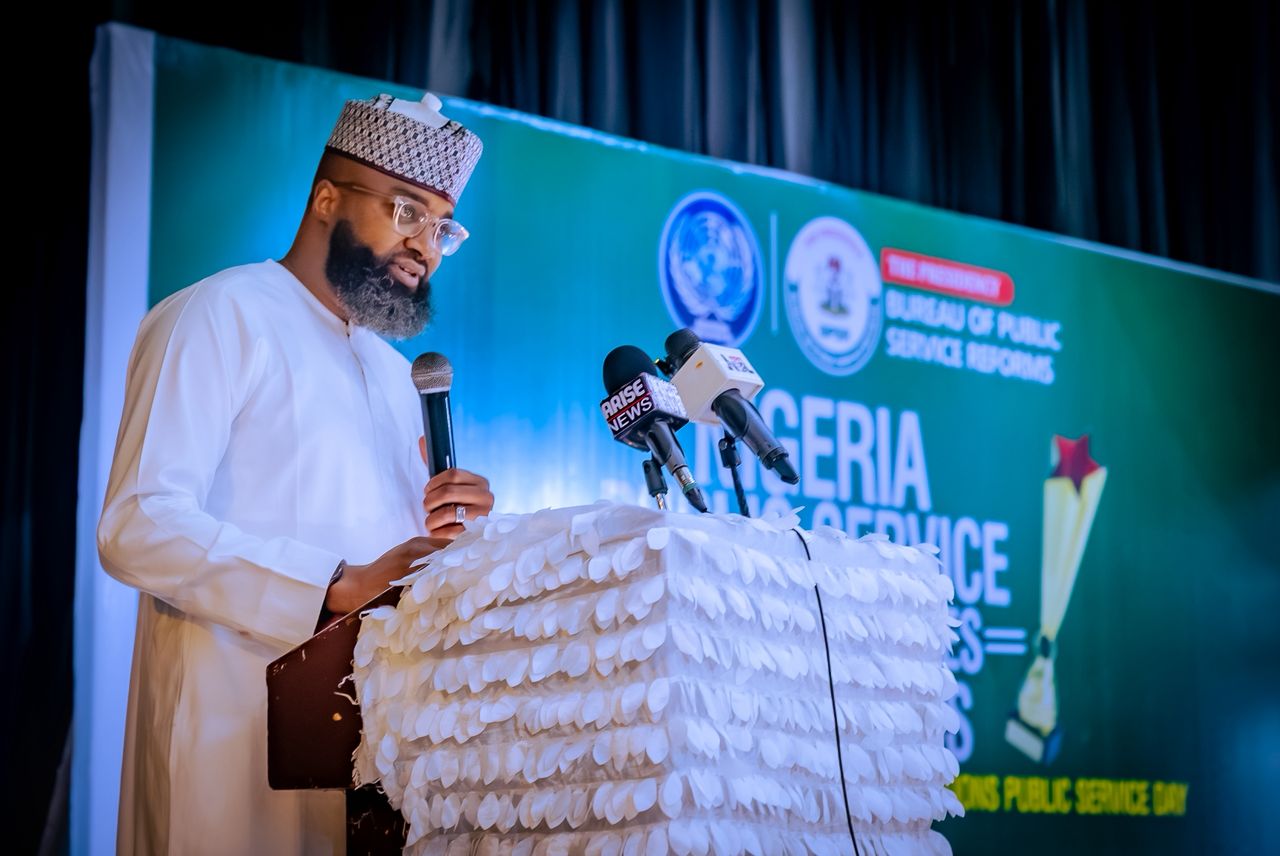
Declaring the programme open, Halilu said the theme, “Local Content Measurement Matrix and Policy Implementation,” reinforces the Agency’s commitment to strengthening indigenous capacity, accelerating technology-driven industrialisation and advancing Nigeria’s local content agenda.
He said every nation that had transformed itself into an industrial and economic power had achieved such progress through deliberate investment in indigenous capacity, innovation and education, supported by sound government policies.
According to him, Nigeria is at a defining moment under the Federal Government’s Renewed Hope Agenda, which places local content, indigenous capacity, innovation and technology at the centre of national development.
“Public institutions must not merely participate in this transformation but serve as strategic drivers of industrial growth, technology transfer, enterprise development, job creation and national competitiveness,” he said.
The NASENI boss explained that the Agency believes nations prosper when they create rather than merely consume, manufacture rather than import, and commercialise innovation instead of allowing research outputs to remain on the shelf.
He noted that NASENI continues to develop indigenous technologies in areas such as solar energy, electric vehicles, smart metering, transformers, diagnostic devices, electronics and software solutions. These efforts, he said, demonstrate that Nigerian innovation can compete globally while strengthening local industries and creating employment opportunities.
Earlier, the Acting Coordinating Director, Engineering Infrastructure Directorate, Engr. Dr. Abdulrasheed Abdullahi Agava, said the programme was designed to strengthen NASENI’s capacity to implement and measure local content performance across its projects and programmes.
In his goodwill message, the Technical Assistant to the Executive Secretary of the Nigerian Content Development and Monitoring Board (NCDMB), Mr. Farid Blell, commended NASENI’s progress and expressed confidence that the partnership between the two organisations would further deepen local content implementation, promote indigenous capacity development and contribute to Nigeria’s economic growth.
Other speakers highlighted the importance of collaboration among government institutions, industry and development partners in advancing the local content agenda. They noted that effective implementation of the policy would promote indigenous manufacturing, reduce capital flight, conserve foreign exchange, create employment opportunities and accelerate Nigeria’s industrial development.