Foreign AffairsNews
Nigerian Lawyer Says Tinubu’s Cross-Border Military Deployment Was Lawful and Within Constitutional Limits

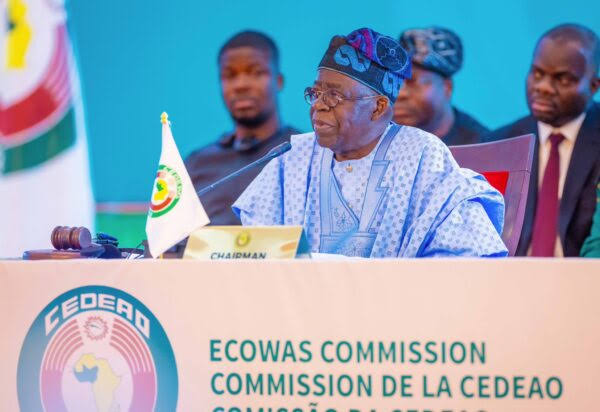
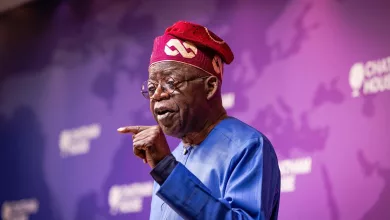
A Nigerian legal analyst has defended President Bola Ahmed Tinubu’s decision to deploy members of the country’s armed forces to neighboring Benin Republic, arguing that the move was consistent with the Nigerian Constitution and carried out at the request of Benin’s legitimate government.
Ridwan Oke, a Lagos-based lawyer, said in an interview that public concerns over the legality of the deployment overlook key provisions of Nigeria’s governing charter.
“At first glance, Section 5(4)(b) of the Constitution seems to restrict the President from deploying the armed forces outside the country without prior approval of the Senate,” Oke explained. “However, the Constitution itself provides a clear exception to this.”
He pointed to Section 5(5), which grants the President—after consulting the National Defence Council—the power to deploy troops on a limited combat duty beyond Nigeria’s borders if he determines that national security faces an imminent threat or danger.
According to Oke, “The law anticipates emergency situations. It allows the President to act swiftly when security threats cannot wait for a full legislative process.”
The Constitution, he noted, still imposes safeguards: once troops are deployed, the President must seek Senate approval within seven days, and the Senate is required to either approve or reject the request within 14 days.
“Based on information available in the public domain, President Tinubu has so far acted squarely within these constitutional boundaries,” Oke said. “There is no indication that any requirement has been breached.”
Oke also addressed criticisms that Nigeria overstepped by intervening in the internal matters of Benin Republic. He emphasized that the intervention came not unilaterally, but upon the request of Benin’s elected government.
“The Nigerian government has stated that Benin formally sought Nigeria’s help twice,” he said. “The coup plotters never took over the country, nor were they recognized as exercising sovereign authority. The request for support came from the legitimate government.”
He added that allegations of Nigeria behaving like an “overzealous neighbor” misunderstand the situation entirely. “There was no breach of Benin’s sovereignty. Nigeria acted as a supportive regional partner responding to a lawful request.”
As West African nations continue struggling with insurgency and attempted coups, Oke said the episode underscores the need for both rapid response mechanisms and clear public understanding of constitutional powers.
“In moments of crisis, constitutional provisions are not just legal text—they are tools that guide necessary action,” he said. “In this case, the President operated within the law.”