Foreign Affairs
South Africa, Fani-Kayode Trade Words Over SABC Cutting Off Speech during Letter of Credence Presentation to Ramaphosa
By Dayo Dare

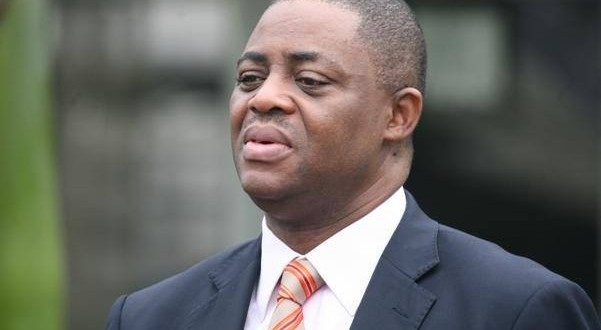
Nigeria’s Ambassador, Femi Fani-Kayode, receives demarche following complaint over SABC’s decision to cut off his speech.
The South African Broadcasting Corporation (SABC) is facing accusations of disparity after Nigeria’s High Commissioner to South Africa, Femi Fani-Kayode, alleged that the broadcaster cut off his speech during a diplomatic ceremony hosted by President Cyril Ramaphosa.
The event took place on Friday, November 13, and was meant to promote diplomatic relations. However, it ended in controversy following the alleged omission of Nigeria’s presentation from the livestream.
In a social media post, Fani-Kayode accused officials handling the Presidency’s livestream of excluding Nigeria from the ceremony, which involved 15 ambassadors presenting their letters of credence to Ramaphosa.
“Of all the 15 introductions and speeches that were made and delivered this morning only Nigeria’s was cut out,” he said.
The envoy said he raised the matter directly with Ramaphosa, whom he praised for intervening and instructing officials to address the issue.
While expressing respect for South Africa and its people, Fani-Kayode said he declined an interview with SABC News over what he described as the “deplorable” treatment of the Nigerian delegation.
He also warned that he would not tolerate any disrespect towards Nigeria or its government.
In a statement issued on Sunday, the broadcaster expressed regret over the envoy’s decision but said it remained open to engaging with him and the Nigerian High Commission.
“We regret that the High Commissioner declined an interview with SABC News, reportedly because of his dissatisfaction with the livestream of the ceremony. We respect his decision and remain open to engaging with him and the Nigerian High Commission,” the statement said.
The SABC, however, did not directly address the allegation that it excluded Fani-Kayode’s presentation from the livestream.
Instead, it rejected the description of the organisation as a state broadcaster, insisting that it operates as a public service media organisation committed to independent, impartial and credible journalism.
“Two points need clarifying. First, the SABC is a public service media, not a state broadcaster. Our mandate is to serve the public interest through independent, impartial and credible journalism. The Presidency’s livestream arrangements and SABC News’ editorial coverage are separate matters.
“Secondly, SABC News did cover the ceremony. It was carried on the SABC News LIVE channel on SABC+, and the High Commissioner’s arrival was shown during a live crossing on the SABC News Channel (DStv Channel 404). We also published a clip on our official X account of the High Commissioner speaking to President Cyril Ramaphosa.
“The SABC remains committed to upholding the principles of fairness, impartiality and editorial independence in its coverage, as well as value our longstanding relationship with Nigeria,” the statement added.
The controversy also triggered a public exchange between the Nigerian High Commission and Vincent Magwenya, Ramaphosa’s spokesperson.
Magwenya disputed Fani-Kayode’s account of the president’s intervention, saying Ramaphosa did not interfere with the broadcaster’s operations or editorial decisions. He said the president directed the Nigerian envoy to the appropriate SABC official to address his complaint.
The Nigerian High Commission, however, defended Fani-Kayode, insisting that the envoy and Nigeria had been treated with contempt and that Ramaphosa had intervened.
The issue has gained concerns from many including political commentator,Bashiru Ahmad, who responded to the issue on X.
“Apparently, FFK didn’t lie after all. It was the presidential spokesperson whose account turned out to be inaccurate. I like how Nigerians stood their ground in defence of His Excellency, the Ambassador.”
The disagreement comes amid renewed concerns over xenophobic attacks against Nigerians and other African migrants in South Africa.
Nigeria has repeatedly raised concerns about the safety of its citizens in the country following reports of killings, harassment and attacks on foreign nationals.