
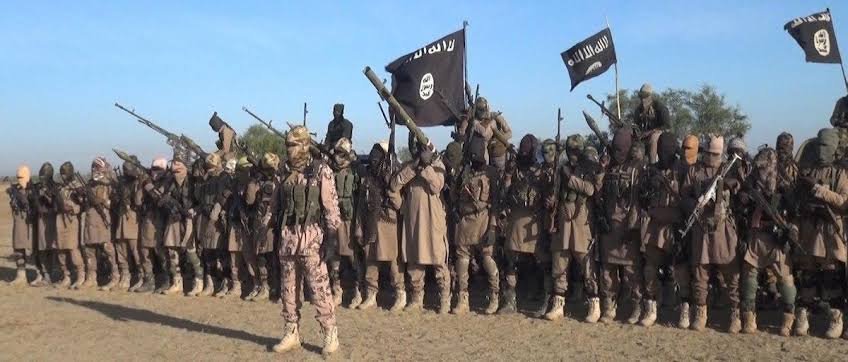
Three senior commanders of the Islamic State West Africa Province (ISWAP) and more than 22 of its fighters were reportedly killed in a recent clash in the Mandaragirau axis of Borno State, according to security intelligence sources.
The commanders were identified as Abu Khalid and Abul Baraa, both said to hold the rank of Qa’id, as well as another commander identified as Munzir.
According to intelligence assessments, the three were among four senior ISWAP commanders who coordinated the group’s attack in the Mandaragirau area.
More than 22 other ISWAP fighters were also reportedly killed in the encounter, dealing a significant blow to the group’s command and operational structure in the axis.
Intelligence reports further indicate that three other commanders at the Naqib level and between 15 and 20 fighters remain unaccounted for following the clash.
Security sources believe some of the missing fighters may have dispersed into surrounding communities in an attempt to evade security forces.
Recent ISWAP movements around Mandaragirau are also believed to be linked to efforts by the group to locate and recover its missing personnel.
Security assessments suggest that the loss of three senior commanders could disrupt ISWAP’s operations in the area, particularly its ability to coordinate attacks and maintain effective command and control.
However, security sources cautioned that surviving elements retain the capacity to regroup and could attempt retaliatory attacks in response to the losses.
The development has heightened the importance of sustained security operations and intelligence-led surveillance to prevent surviving fighters from regrouping or re-establishing operational footholds in the area.
According to the intelligence assessment, maintaining pressure on the group will be critical to consolidating the gains from the encounter and denying ISWAP an opportunity to rebuild its operational momentum.
Security agencies are continuing to monitor developments in the area, including possible movements by surviving fighters and attempts by the group to recover missing personnel or reorganise.