
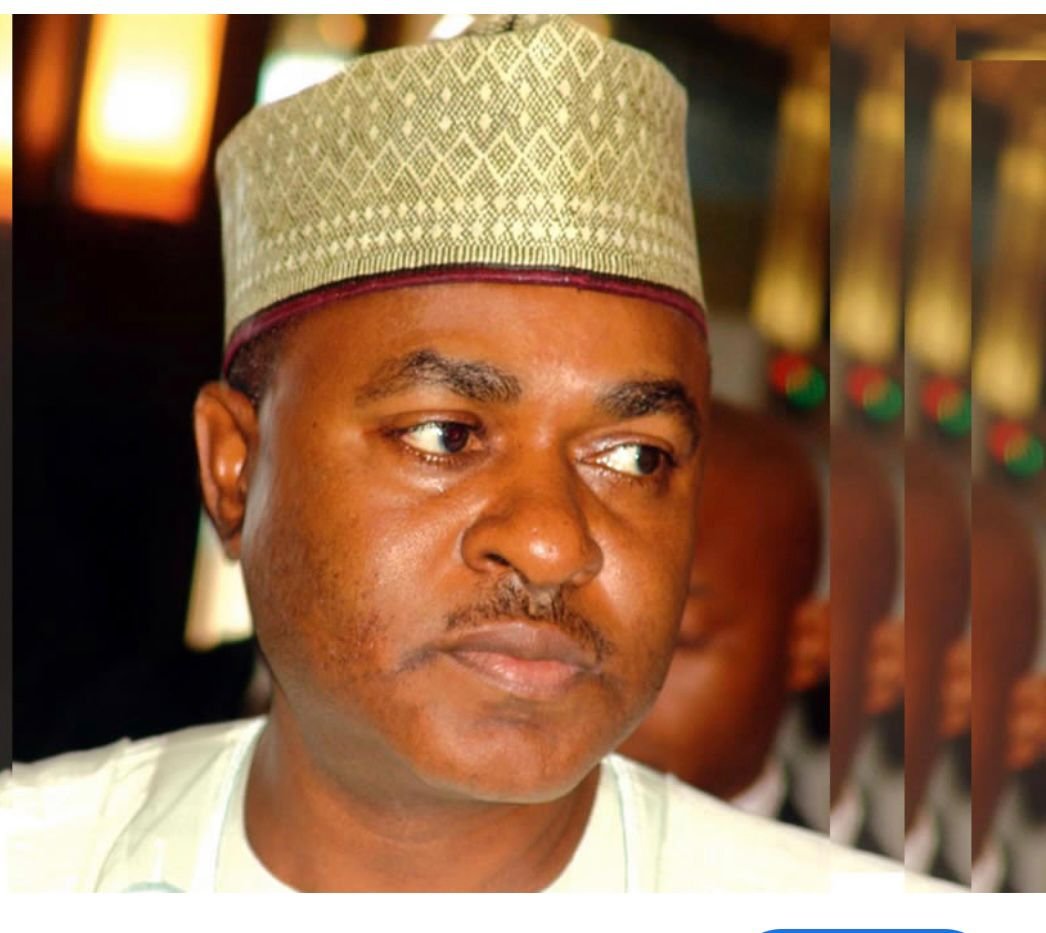
In public life, there are burdens that linger long after office is vacated. Some are the weight of achievement. Others are the quiet, persistent shadow of unanswered questions. For former Bauchi State Governor, Isa Yuguda, it is the shadow of corruption that continues to define the narrative around his tenure.
Like the ancient parable of the Sword of Damocles—suspended, ever-threatening—allegations of corruption and financial impropriety have hovered above Yuguda’s legacy, shaping public perception and raising enduring questions about accountability, governance, and the stewardship of public trust.
During his time in office from 2007 to 2015, Isa Yuguda’s administration was the subject of multiple allegations of financial misconduct. Investigative reports pointed to questionable borrowing practices, including loans running into tens of billions of Naira, alongside inflated contracts and opaque financial arrangements.
These allegations, widely published in the media shows the picture, a troubling one of Isa Yuguda’s abuse of, poor management and diversion of public funds.
When the succeeding administration under Mohammed Abdullahi Abubakar assumed office, it initiated a sweeping review of the state’s finances. What emerged from the investigative committee was staggering.
The committee reported that as much as N212.2 billion could not be properly accounted for during Isa Yuguda’s tenure. It identified widespread irregularities across ministries, agencies, and major projects—from infrastructure contracts to public sector expenditures. The findings suggested systemic lapses, including inflated contracts, questionable payments, and a pattern of financial decisions that defied transparent accounting.
In a state grappling with development challenges, such sums represent missed opportunities—schools that could have been built, hospitals that could have been equipped, roads that could have transformed livelihoods.
The Bauchi State Government subsequently referred aspects of these findings to anti-corruption agencies, including the Economic and Financial Crimes Commission (EFCC) and the Independent Corrupt Practices Commission (ICPC).
Among the issues raised were allegations surrounding the use of N6.1 billion in security votes within a short period toward the end of his tenure, as well as broader claims of maladministration involving hundreds of billions of naira.
Yet, like many high-profile cases in Nigeria, the path from allegation to resolution proved complex, protracted, and ultimately inconclusive in the public domain.
Perhaps the most striking dimension of the controversy lies not only in direct allegations but in the trail of assets linked to Isa Yuguda’s close associates.
In 2017, the ICPC seized 220 residential properties across 20 estates from a former aide of Isa Yuguda, Sanusi Mohammed Isa. The scale of the assets—valued at over N1.8 billion—raised immediate questions. Isa Yuguda’s former PA’s known income could not plausibly account for such wealth. Of course the most likely assertion is that he was acting as a front for a politically exposed person.
In parallel, the EFCC moved against properties reportedly linked to Yuguda himself, including securing a court order for interim forfeiture of assets acquired through abuse of office and diversion of public funds.
The story of Isa Yuguda’s tenure is one of persistent allegations, partial investigations, and unresolved accountability.
His pretentious denial does not erase the scale of the claims made, nor does it diminish the significance of the findings, asset seizures, and institutional actions that followed his time in office. Instead, it places his legacy in a complex space—one where perception, evidence, and legal outcomes do not fully align.
For many observers, the central question remains: what might Bauchi State have become if even a fraction of the resources in question had been transparently and effectively deployed? Public office confers not just authority, but responsibility. And when questions of this magnitude arise, they tend to endure.
Like the Sword of Damocles, the allegations surrounding Yuguda’s tenure remain suspended—hanging over his head, and reminding Bauchi state indigenes of the man who took their resources and starved the state of development. They continue to shape how his years in office are remembered and discussed and this is not going to fade.
In public life, it is often not only what is proven that defines a legacy, but also what remains unanswered. For Isa Yuguda, his legacy in public service remains one of corrupt mismanagement of Bauchi State’s resources.
Mal. Dalhatu Bashir is an anti-corruption activist based in Kaduna State.