
The Federal Government has welcomed the decision by S&P Global Ratings to upgrade Nigeria’s sovereign credit rating from B- to B with a Stable Outlook, describing the development as a strong endorsement of the country’s ongoing economic reforms and improving macroeconomic outlook.
The latest action marks Nigeria’s first sovereign rating upgrade by S&P in about 14 years and follows earlier positive rating actions by Fitch Ratings and Moody’s Ratings in 2025, further signalling renewed international confidence in Africa’s largest economy.
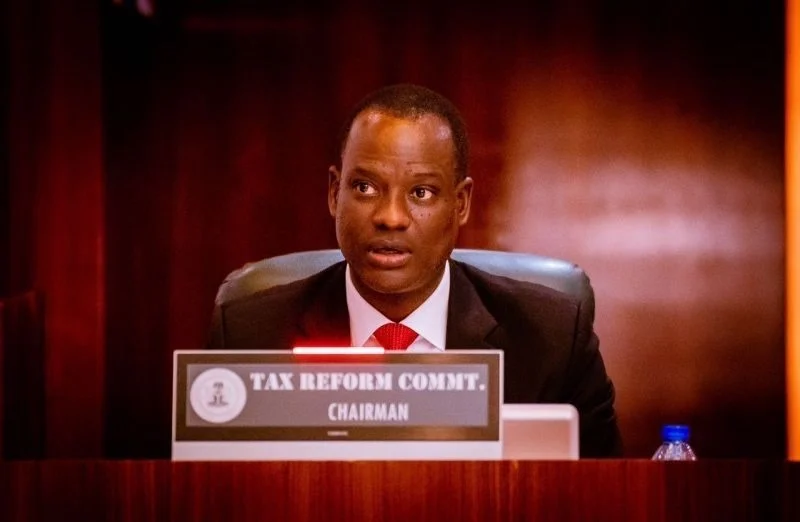
Reacting to the rating, the Minister of Finance and Coordinating Minister of the Economy, Taiwo Oyedele, said the upgrade reflected growing confidence in Nigeria’s policy direction, reform consistency and medium-term growth prospects..
S&P cited improvements in Nigeria’s external position, stronger balance of payments performance, increased oil production, expanding domestic refining and export capacity, as well as sustained implementation of foreign exchange market reforms among the key factors behind the upgrade.
The agency also acknowledged ongoing fiscal reforms aimed at broadening the tax base, improving revenue mobilisation, enhancing fiscal transparency and strengthening debt sustainability.
Oyedele said Nigeria’s debt-to-revenue ratio had improved significantly since 2023 and was projected to decline further as fiscal reforms mature.
“The upgrades by Fitch, Moody’s and now S&P send a strong signal to global investors, development partners and the international business community that Nigeria is regaining macroeconomic credibility and restoring confidence in the management of its economy,” the minister said.
He reiterated the government’s commitment to prudent fiscal management, macroeconomic stability and structural reforms designed to support inclusive and sustainable economic growth.
The minister also defended the administration’s decision to maintain fuel subsidy removal, saying the policy had helped eliminate longstanding fiscal distortions, reduce pressure on foreign exchange liquidity and redirect public resources toward critical national priorities.
“We remain committed to a market-driven economy anchored on transparency, competition and effective regulatory oversight,” Oyedele said, adding that the government would continue to support policies that encourage private investment and free enterprise.
Despite the positive ratings outlook, the government acknowledged that significant challenges remain, particularly inflationary pressures, food security concerns and the need to expand decent job opportunities..
The government added that the improved outlook from leading global rating agencies would help strengthen Nigeria’s ability to attract investment and secure financing on more favourable terms.