Health
Senate Demands Border Screening as Ebola Patient in Abuja Develops Multi-Organ Failure
By Dayo Dare

A diplomat diagnosed with the Bundibugyo strain of Ebola in Abuja has reportedly developed multi-organ failure, as Nigerian authorities step up surveillance and emergency preparations to prevent the disease from spreading.
Authorities have not disclosed the patient’s name or nationality. Olajumoke Babatunde, director of Public Health Laboratory Services at the Nigeria Centre for Disease Control and Prevention (NCDC), provided the update during an emergency meeting in Abuja on Wednesday.
Babatunde said laboratory officials conducted three rounds of molecular testing to confirm the strain.
“The patient’s condition has deteriorated. We did three levels of tests, but all were molecular. The strain was Bundibugyo,” she said.
The Bundibugyo strain belongs to the Ebola virus group and was first identified during an outbreak in Uganda in 2007. Ebola can spread through direct contact with the blood or other bodily fluids of an infected person, as well as contaminated materials.
The development comes as state governments intensify their response to the reported case.
Anambra State said it had monitored 40 people of interest as of Oct. 20. Of that number, 33 completed their monitoring period and were cleared, while seven remained under active follow-up.
Niger State has also placed its health system on high alert, activated emergency operations and said it was completing an isolation centre. Ogun State, meanwhile, is tracing 111 people of interest.
The Federal Government confirmed Nigeria’s Ebola case in Abuja on Tuesday after a woman who recently arrived on an international flight from Uganda spent several days at a private hospital in the Federal Capital Territory before officials confirmed the infection.
Following the confirmation, the NCDC activated its incident management response, focusing on case management, enhanced surveillance, contact tracing, infection prevention and control, and public risk communication.
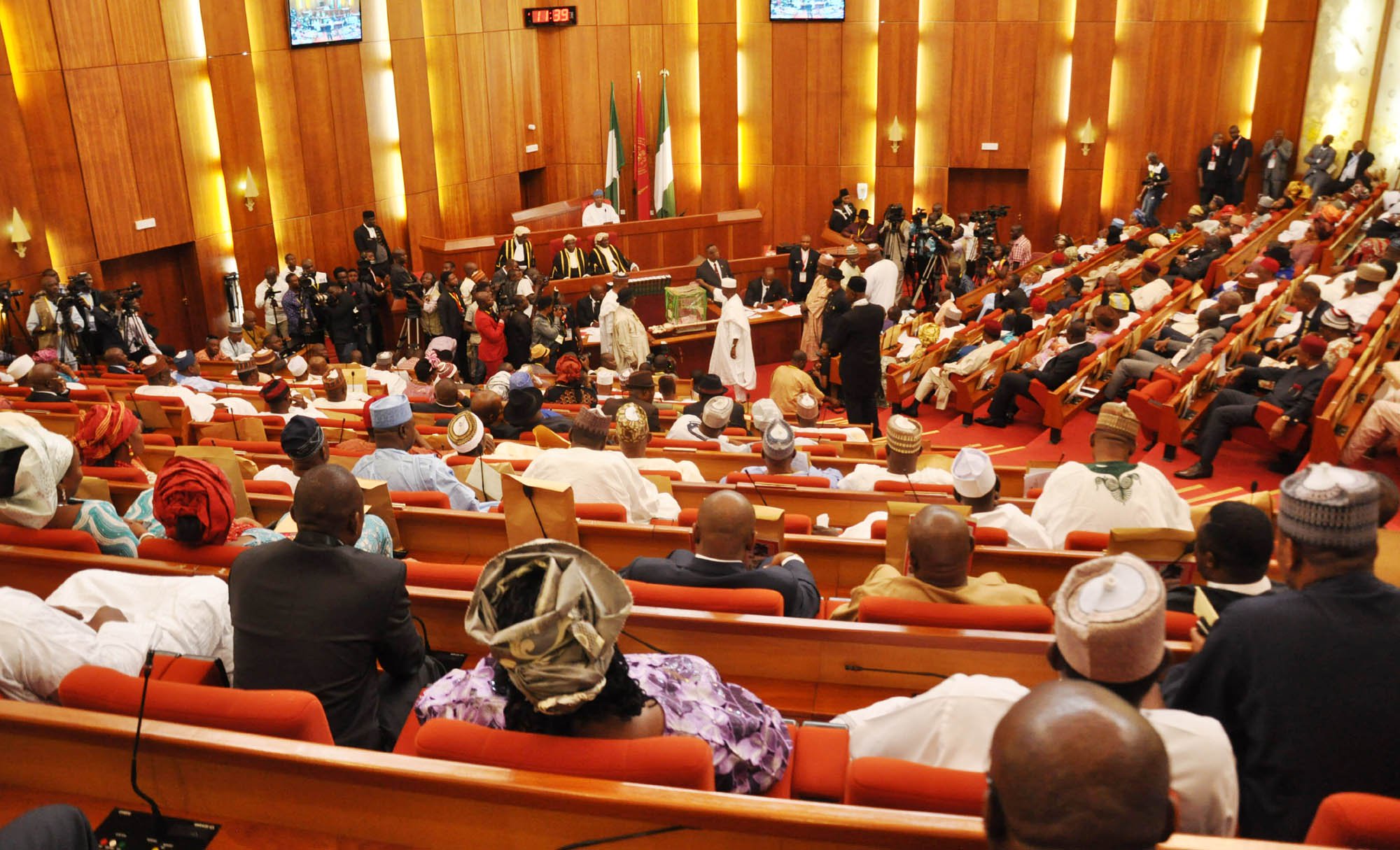
Meanwhile, the Senate has urged the Federal Government to release emergency funds from the service-wide vote to strengthen disease surveillance and enforce mandatory health screening at all international airports, seaports and designated land borders.
Lawmakers adopted the resolution after Senator Francis Faduyile sponsored a motion of urgent national importance, raising concerns about the Bundibugyo Ebola outbreak and the threat it poses to Nigeria’s public health system.
The Senate acknowledged the Federal Government’s existing response measures, including health declaration forms and enhanced screening at entry points. However, it warned that limiting screening requirements to travellers from selected countries could leave gaps in the country’s disease surveillance system.
Lawmakers also raised concerns about inadequate staffing and equipment at several entry points and the continued reliance of Port Health Services on the Quarantine Act of 1926.
The Senate consequently urged the Ministry of Health and Social Welfare, the NCDC and Port Health Services to make health screening compulsory for all international arrivals, regardless of nationality or country of departure.