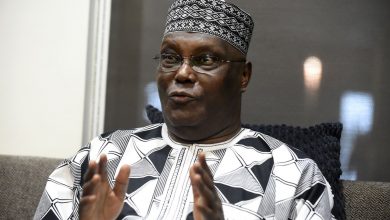

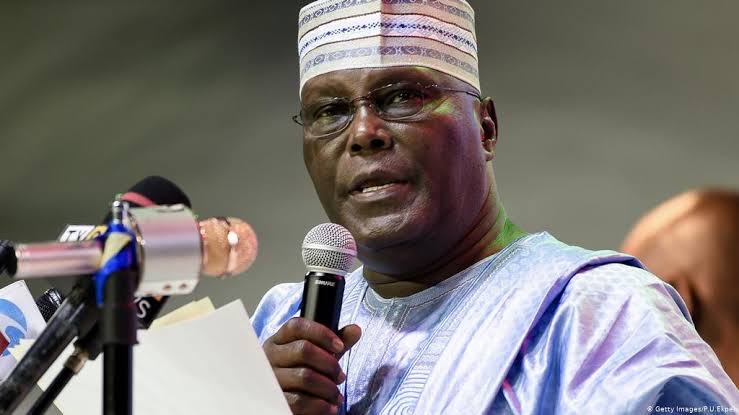
Former Vice President Atiku Abubakar has criticised the administration of President Bola Ahmed Tinubu, saying Nigerian workers are facing worsening economic hardship despite the government’s “Renewed Hope” agenda.
In a Workers’ Day message released on Thursday, Atiku said the annual May 1 commemoration, traditionally a moment to celebrate labour, has instead become a reflection of “broken promises and shattered hopes” for millions of workers across the country.
He argued that nearly three years into the Tinubu administration, the expected improvements in living standards have not materialised, with workers bearing the brunt of rising inflation and increased cost of living.
The former vice president acknowledged that the removal of fuel subsidy was a necessary policy, noting that he had long supported the reform due to its fiscal implications. However, he faulted the manner of its implementation, describing it as abrupt and lacking adequate planning.
According to him, the decision—announced at the outset of the administration—triggered a surge in fuel prices, which cascaded into higher transportation fares and food costs, further squeezing already stretched household incomes.
Atiku said the government failed to put in place social safety nets or transitional measures to cushion the impact of the reform, leaving workers and vulnerable Nigerians exposed to economic shocks.
He also questioned the utilisation of funds saved from the subsidy removal, stating that Nigerians have yet to see tangible benefits from the policy.
Instead, he alleged that the funds have largely been distributed among different tiers of government, with a significant portion of federal spending directed at major infrastructure projects, including the Lagos-Calabar Coastal Highway, which he criticised over transparency and procurement concerns.
Atiku maintained that economic reforms must be accompanied by policies that directly improve citizens’ welfare, stressing that workers should not be made to bear disproportionate burdens without visible gains.
He called for a more people-centred approach to governance, urging the government to prioritise programmes that directly ease the economic pressures facing Nigerian workers.