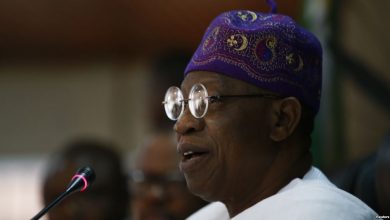


The Independent National Electoral Commission (INEC) has opened consultations with political parties on a new regulatory framework governing party primaries and campaign finance as preparations intensify for Nigeria’s 2027 general elections.
At a consultative meeting in Abuja, INEC Chairman Prof. Joash Amupitan said the engagement was aimed at refining the draft 2026 Regulations and Guidelines for Political Parties to ensure a more credible and legally compliant electoral process.
He described political parties and the Commission as “joint custodians of Nigeria’s democratic future,” noting that credible elections are shaped long before voting day through clear rules, transparency, and accountability.
The draft guidelines, developed under the provisions of the Electoral Act 2026, introduce updated rules on the conduct of party primaries and stricter provisions on campaign finance, reflecting what INEC described as a comprehensive overhaul of the 2022 framework.
“We cannot navigate a 2027 horizon using a 2022 map,” Amupitan said, explaining that the Commission had undertaken a technical review of existing regulations to align them with new legal and operational realities.
INEC drew attention to Section 93(2) of the Electoral Act, which empowers it to determine election spending limits in consultation with political parties. The Commission urged stakeholders to closely examine Clause 40(4) and (5) of the draft, which outline financial regulations governing party primaries and election campaigns.
With Presidential and National Assembly elections scheduled for January 16, 2027, and Governorship and State Assembly polls set for February 6, 2027, the INEC chairman warned that compressed timelines would require what he called “surgical precision” in planning and execution.
Beyond primaries and campaign finance, the proposed guidelines cover party registration and mergers, internal governance, campaign conduct, and deregistration procedures. The framework also introduces measurable benchmarks aimed at improving participation among women, youth, and Persons with Disabilities.
Reacting on behalf of political parties, the Chairman of the Inter-Party Advisory Council (IPAC), Dr. Dantalle, welcomed the consultative process, describing it as necessary for producing a workable regulatory framework.
He, however, called for greater flexibility in the conduct of party primaries, arguing that such processes remain largely internal affairs of political parties and should be treated as such within the guidelines.
Dantalle also highlighted challenges around membership registration, noting that compiling comprehensive party registers within tight timelines could pose operational difficulties without more accommodating provisions.
On electoral transparency, he expressed support for INEC’s continued deployment of technology but urged the Commission to provide clearer rules on the electronic transmission of results to eliminate ambiguity during elections.
The consultation marks a critical step toward finalising the rules that will govern political party activities and election administration in the lead-up to the 2027 polls.