
The Federal Government has approved the disbursement of ₦32.8 billion under the Basic Healthcare Provision Fund (BHCPF) for the first quarter of 2026, in a move aimed at strengthening primary healthcare delivery and accelerating progress towards universal health coverage across Nigeria.
The approval was reached at the Quarter 1 meeting of the Ministerial Oversight Committee (MOC), where senior health sector stakeholders reviewed implementation progress and advanced reforms under the BHCPF 2.0 framework.
The BHCPF, a core government financing mechanism, is designed to provide predictable funding for healthcare services, reduce out-of-pocket spending, and expand access to quality care—particularly for vulnerable populations.
At the meeting, key gateway agencies including the National Health Insurance Authority (NHIA), National Primary Health Care Development Agency (NPHCDA), and the Nigeria Centre for Disease Control (NCDC) presented updates on programme implementation. Representatives of the Association of Local Governments of Nigeria (ALGON) and civil society organisations also provided field-level feedback, highlighting progress and persistent gaps in service delivery and financial protection.
A central focus of the meeting was the accelerated rollout of BHCPF 2.0 under a Sector-Wide Approach (SWAp), which seeks to align financing, service delivery, and accountability mechanisms to deliver measurable health outcomes. The initiative is tied to the broader Nigeria Health Sector Renewal Investment Initiative (NHSRII).
Priority interventions reviewed by the committee include the Maternal and Neonatal Mortality Reduction Initiative (MAMII), the HOPE Primary Healthcare (PHC) programme, and the National Health Fellows Programme (NHF), all of which are targeted at improving maternal and child health outcomes, strengthening workforce capacity, and enhancing system-wide accountability.
The committee also assessed progress under the National Emergency Medical Services and Ambulance System (NEMSAS), with a focus on improving emergency response systems and reducing preventable deaths.
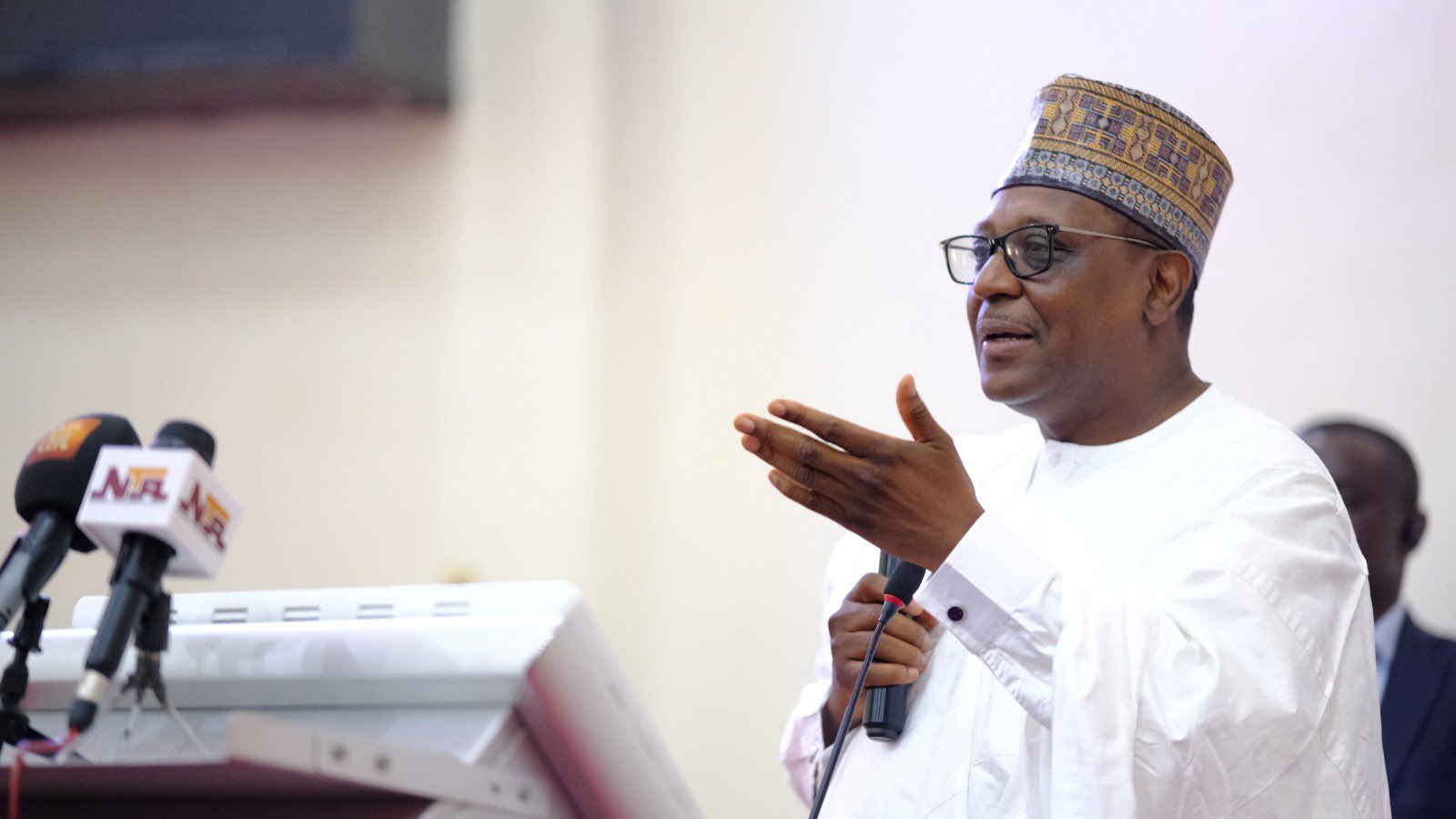
Speaking at the meeting, the Coordinating Minister of Health and Social Welfare, Prof. Muhammad Ali Pate, said the government was deliberately aligning healthcare financing with measurable outcomes.
“BHCPF 2.0 ensures that resources translate into real improvements in service delivery, particularly at the primary healthcare level where most Nigerians access care,” he said.
Minister of State for Health, Dr. Iziaq Adekunle Salako, noted that the reforms would deliver tangible benefits, including safer childbirth, improved emergency response, and more functional primary healthcare centres nationwide.
Permanent Secretary of the ministry, Daju Kachollom, stressed that coordination and accountability would be critical to sustaining progress under the initiative.
The committee adopted several resolutions to strengthen implementation, including structured private sector engagement, revised emergency transport tariffs, faster programme reviews, and enhanced quality assurance mechanisms for emergency medical services.
The Federal Ministry of Health and Social Welfare called on state governments, development partners, and private sector stakeholders to align with BHCPF 2.0 priorities, while urging Nigerians to take advantage of expanding access to affordable primary healthcare services.