

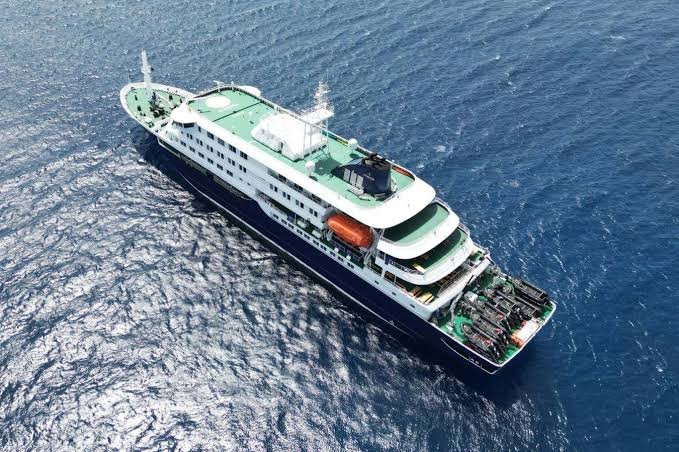
A suspected outbreak of Hantavirus aboard a cruise ship in the Atlantic has left three people dead and a British national fighting for his life, as health authorities scramble to understand what went wrong.
The vessel, MV Hondius, operated by Oceanwide Expeditions, is currently off the coast of Cape Verde with 149 passengers from 23 countries on board. The cruise began on April 1, but by 11, a passenger became unwell and died while aboard the ship.
The company confirmed that a Dutch couple and a German national have died. Hantavirus has been confirmed in a 69-year-old British man, who is now in intensive care in South Africa, and in the Dutch woman who died. The causes of death of the other two passengers are still under investigation.
Hantavirus is typically transmitted to humans through contact with infected rodents, especially via their urine, droppings or saliva. It can lead to severe respiratory illness, though human-to-human transmission is rare.
In addition to the confirmed cases, a British crew member is among five suspected infections currently under investigation by the World Health Organization.
Oceanwide Expeditions said the situation on board remains calm despite the developments.
“The atmosphere on board MV Hondius remains calm, with passengers generally composed,” the company said.
Two crew members, one British and one Dutch, are currently showing acute respiratory symptoms, one mild and one severe, though hantavirus has not been confirmed in either case. Both require urgent medical care.
Authorities are now preparing for emergency evacuations.
“This will involve two specialised aircraft equipped with the necessary medical equipment and staffed by trained medical crews,” the company said, adding that discussions are ongoing with local authorities due to what it described as “a serious medical situation.”
The timeline of events shows the outbreak may have developed over several weeks.
A passenger first fell ill and died on April 11, though the cause of death was not immediately determined. His body was removed when the ship docked at St. Helena on April 24. His wife later became ill and died after disembarking.
On April 27, the British national became seriously ill and was evacuated to South Africa, where a hantavirus variant was later confirmed. He remains in critical but stable condition in Johannesburg.
A third passenger, identified as a German national, died days later. The cause of death has yet to be confirmed.
South Africa’s health minister, Aaron Motsoaledi, said the British patient is receiving supportive care.
“He’s being taken care of. As you know, hantavirus, like all viruses, don’t have any specific treatment, so they are giving symptomatic treatment and support as much as they could,” he said.
Health officials have begun tracing and testing anyone who had contact with the patient, while consular teams are supporting affected nationals.
The WHO said it is “acting with urgency” to support the response and stressed that hantavirus infections are uncommon.
“While severe in some cases, it is not easily transmitted between people. The risk to the wider public remains low. There is no need for panic or travel restrictions,” said WHO Europe Director Hans Henri P. Kluge.
However, experts say the situation raises questions, especially given reports that there are no rodents on board, the primary source of infection.
“If they are all hantavirus then the transmission is a bit mysterious,” Kluge said. “Person-to-person transmission is difficult and rare.”
Authorities in Cape Verde have barred passengers from disembarking to prevent potential spread, as investigations continue to determine the exact strain and how the infections occurred.